The Future of Affordability
is Resilience
Rising insurance costs, volatile utilities, and demographic shifts are rewriting the rules of housing affordability. At Resilience Investments, we look beyond today’s price tags and demographic assumptions to invest in housing that delivers resilient returns to our investors and affordability to our residents and the communities we serve.
What is Resilient Affordable Housing?
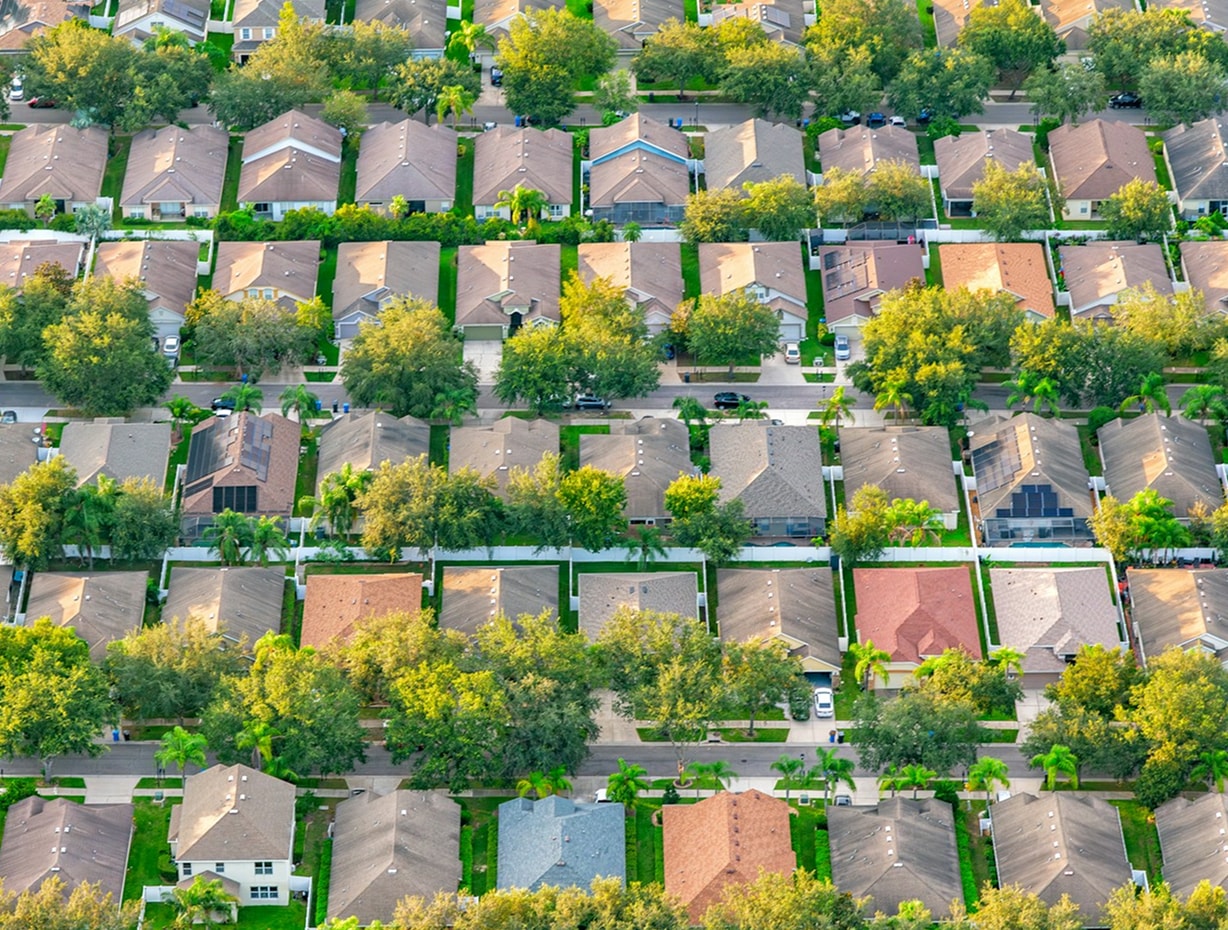
Traditional affordability measures how much a home costs today and is typically defined as housing that costs less than 30% of the household income. As insurance and utilities rise, housing that was once affordable is becoming unaffordable. Resilient affordable housing is housing that is not just affordable today but stays affordable in the face of rising insurance and utility costs. Moreover, it’s in the places where this resilient affordable housing will be needed.
Why are traditional affordability models breaking down?
Three forces are converging:
Insurance
costs are spiking, especially in the Sun belt.
Utility
bills are rising with extreme heat and AI-driven energy demand.
Migration
is reversing, as households migrate toward climate-stable Great Lakes regions. The places where affordable housing was needed won’t be the places where it is needed in the future.